Wireless source links
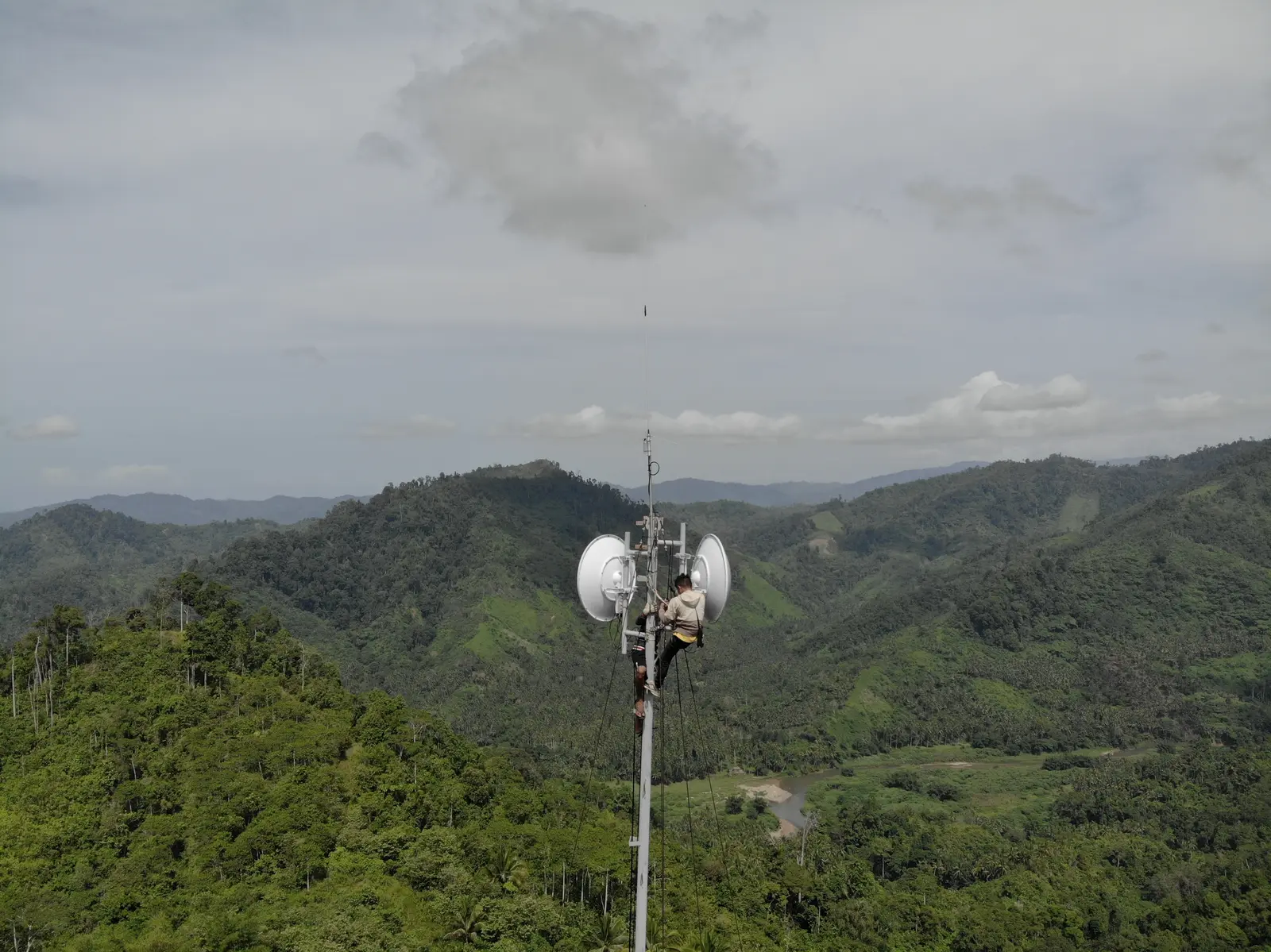
Long-distance point-to-point radios carried internet capacity between strategic elevated locations.
ATECH network
ATECH began by building wireless links across challenging terrain, using elevated relay sites and point-to-point connections to bring internet service closer to local communities.
Wireless remains an important part of the network for remote areas and locations where fiber construction is not yet practical.
How the network is changing
The long-term direction is fiber for the main backbone where feasible, with wireless continuing to support remote areas, alternate paths, and locations awaiting physical fiber construction.
Long-distance point-to-point radios carried internet capacity between strategic elevated locations.
Relay sites and towers helped move service across difficult terrain and toward local distribution areas.
Fiber began replacing or supplementing wireless transport where route access and infrastructure allowed.
ATECH is working toward stronger fiber transport from both directions in partnership with InfiniVAN.
Customers may be reached through direct fiber, local fiber distribution, wireless access, or a hybrid connection path.
Hybrid network
Physical fiber construction cannot immediately reach every location. Wireless infrastructure continues to support service where geography, access, and construction conditions make fiber difficult.
Network partnership
ATECH is upgrading its network backbone toward fiber connectivity from the Liloy and Ipil directions in partnership with InfiniVAN. Route completion and service availability remain subject to implementation, permits, technical readiness, capacity, and location assessment.
Built in the field
Before fiber could reach these routes, ATECH relied on wireless engineering, elevated relay sites, field alignment, tower maintenance, and remote-site operations to bring connectivity across the region.
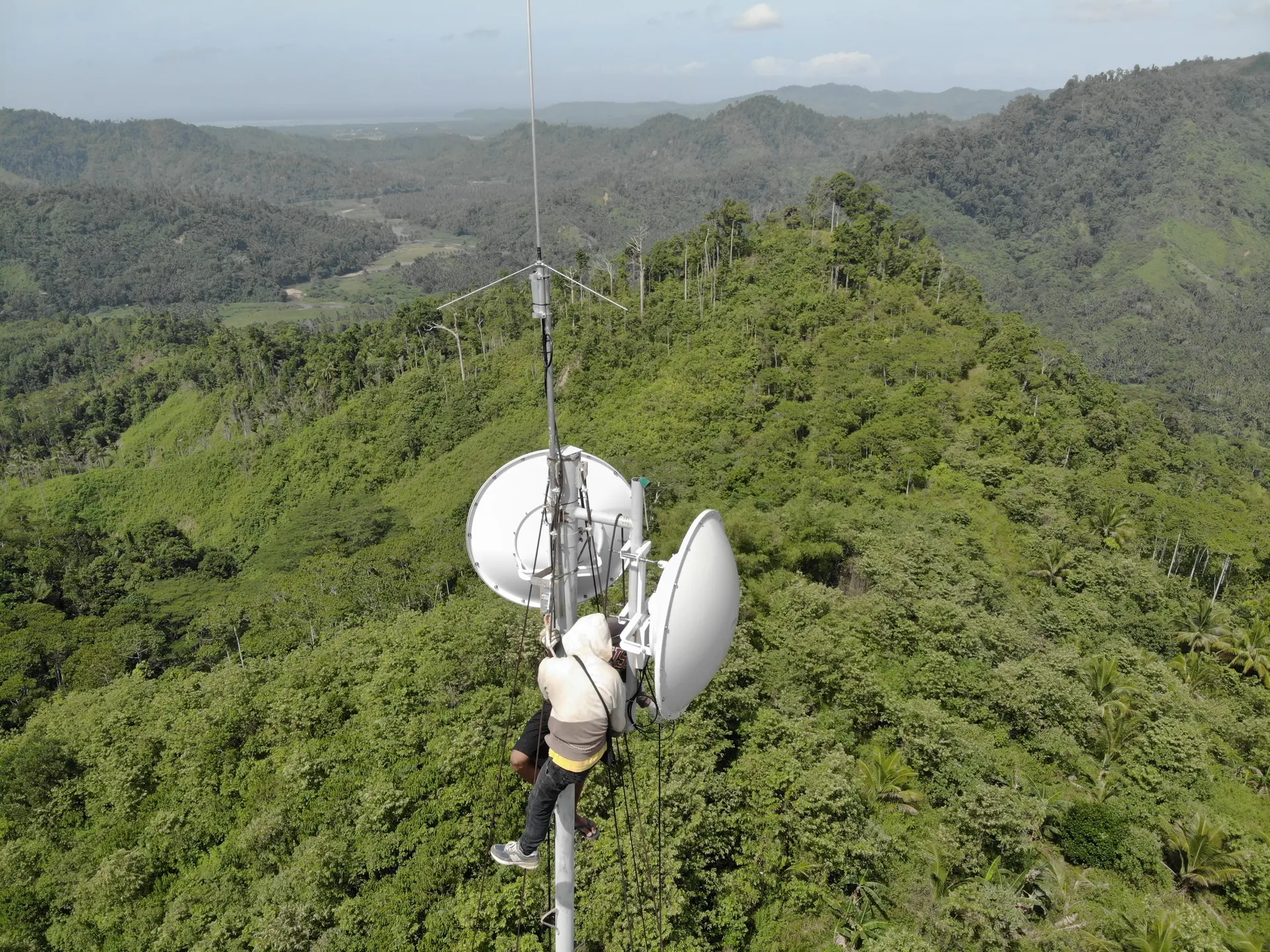
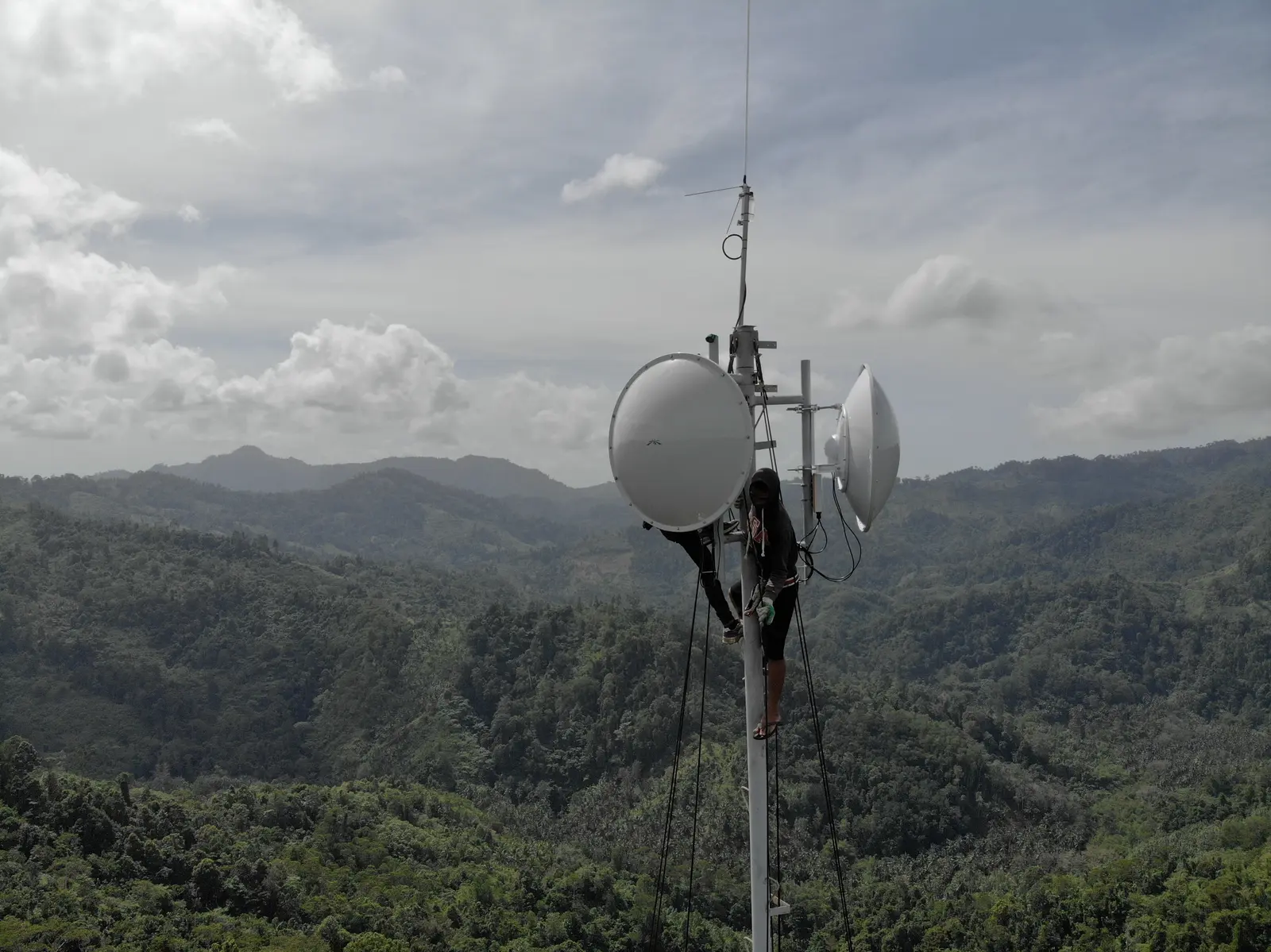
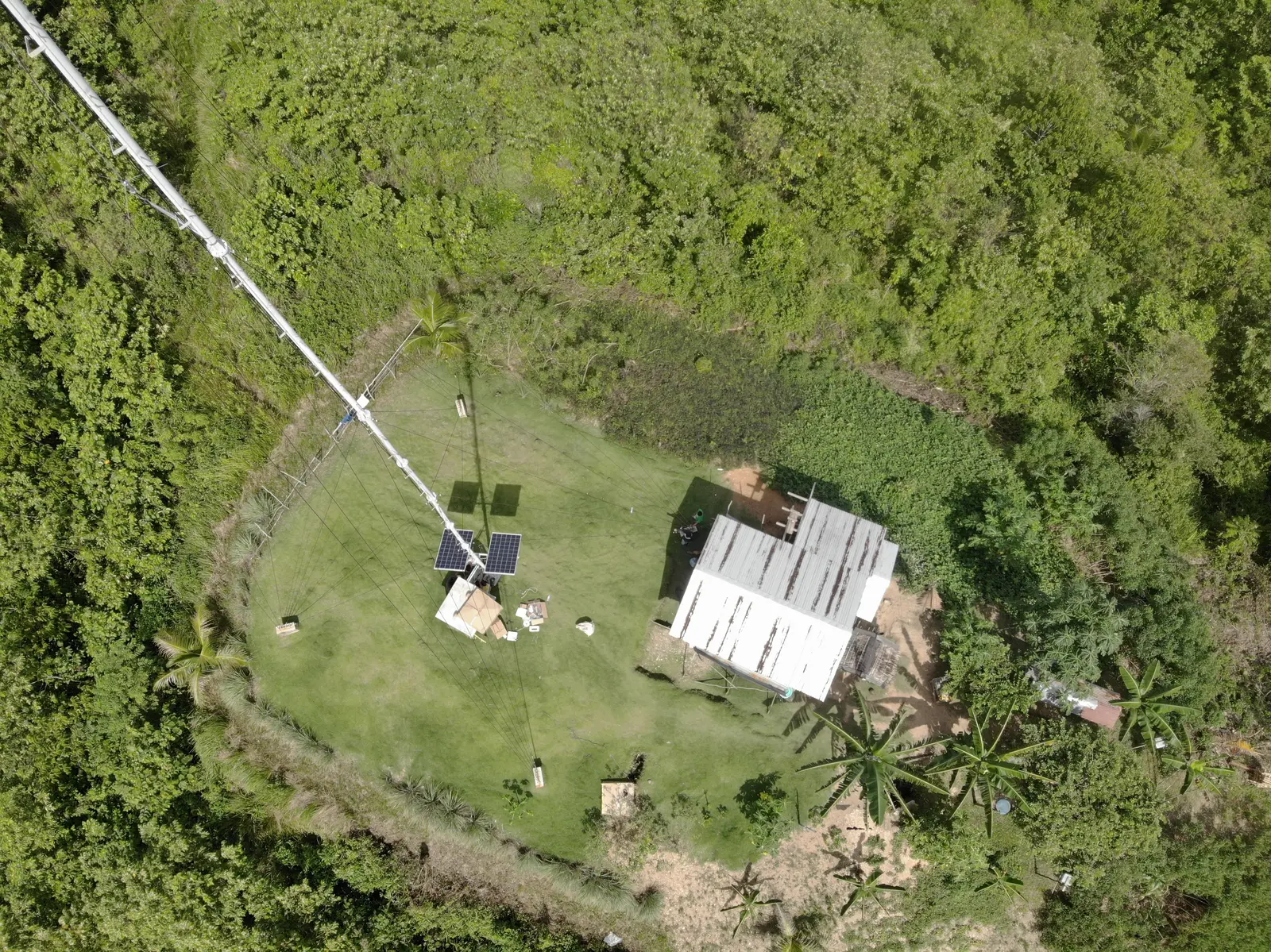
Images are published without GPS metadata or precise site-location information. Technicians are not identified.